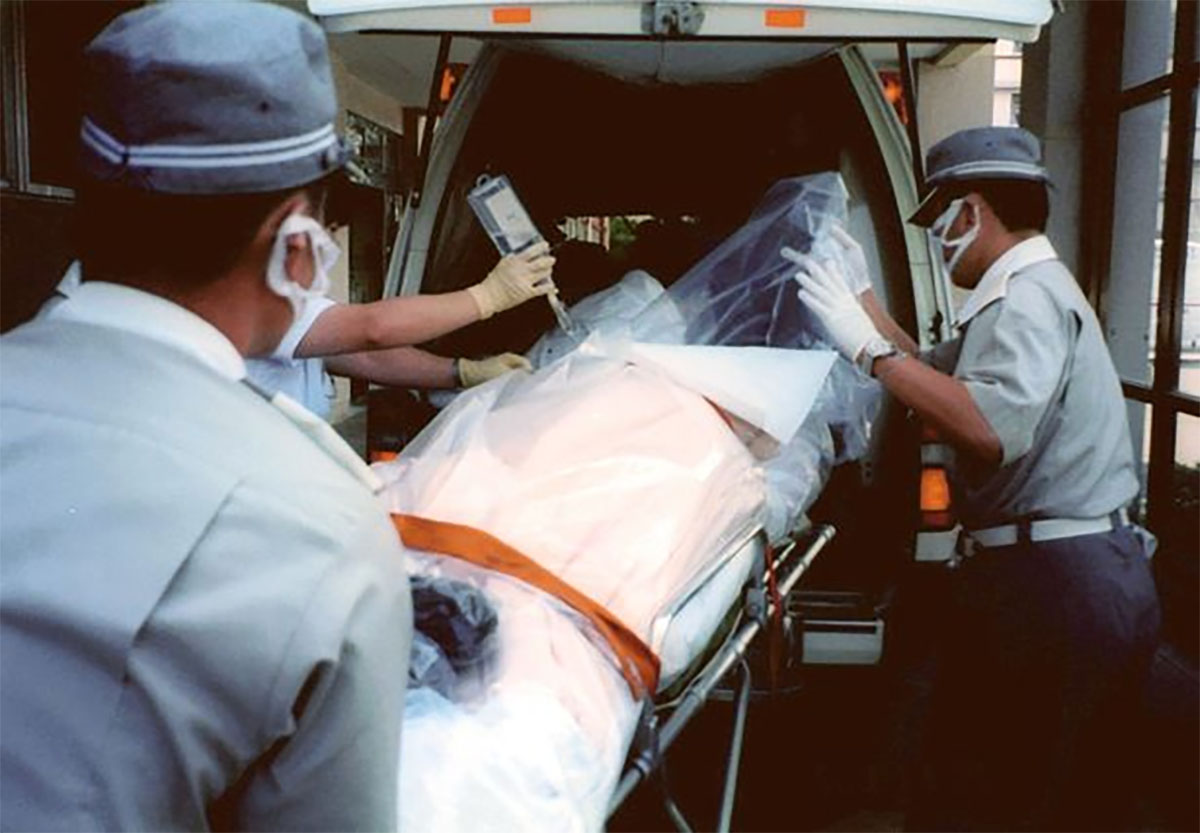
Exploring The Life Through Hisashi Ouchi Images
Hisashi Ouchi is a name that resonates with both tragedy and intrigue. Known for being the victim of one of the most severe nuclear accidents in history, his story is marked by pain, resilience, and an unyielding human spirit. As we delve into the world of Hisashi Ouchi images, we not only explore the visual representations of this individual but also the narrative that surrounds his life and the unfortunate incident that defined it.
To many, the images of Hisashi Ouchi serve as a stark reminder of the consequences of nuclear energy when safety measures fail. They evoke a sense of empathy and reflection, prompting us to learn from the past. While the photographs are often difficult to view, they play a critical role in understanding the broader implications of the Tokaimura nuclear accident that occurred in 1999, claiming Ouchi's life after a harrowing battle with radiation sickness. In this article, we will navigate through various aspects of Hisashi Ouchi's life, the accident, and the impact of his story on society.
In our exploration, we will answer key questions, uncover personal details, and highlight significant moments captured through Hisashi Ouchi images. From understanding the accident's context to commemorating his life, these images tell a story that goes beyond mere visuals. Join us as we embark on this journey to piece together the narrative of Hisashi Ouchi and the legacy he left behind.
Who Was Hisashi Ouchi?
Hisashi Ouchi was a Japanese nuclear plant worker who became the victim of a catastrophic accident at the Tokaimura nuclear facility in Ibaraki Prefecture, Japan. Hisashi was born in 1969 and grew up with aspirations of working in the nuclear industry, unaware of the dangers that lay ahead. After completing his education, he took on a job at the JCO (Japan Nuclear Fuel Conversion Co.) plant, where his life would take a tragic turn.
What Happened to Hisashi Ouchi?
On September 30, 1999, a criticality accident occurred at the Tokaimura facility, resulting from improper handling of uranium. Hisashi Ouchi and two other workers were exposed to lethal doses of radiation. Ouchi's exposure was the highest, and he suffered severe radiation sickness. Despite immediate medical attention, his condition deteriorated rapidly, leading to a painful and prolonged battle for survival.
What Can We Learn From Hisashi Ouchi's Story?
Hisashi Ouchi's ordeal serves as a poignant reminder of the importance of safety protocols in nuclear facilities. The incident raised awareness about the risks associated with nuclear energy and prompted significant changes in safety regulations. His story emphasizes the need for stringent safety measures and the moral responsibility of organizations to protect their employees.
Personal Details and Bio Data of Hisashi Ouchi
| Name | Hisashi Ouchi |
|---|---|
| Date of Birth | 1969 |
| Occupation | Nuclear Plant Worker |
| Accident Date | September 30, 1999 |
| Location | Tokaimura Nuclear Facility, Japan |
| Date of Death | December 21, 1999 |
How Did Hisashi Ouchi's Accident Change Nuclear Safety Regulations?
The Tokaimura accident was a wake-up call for the nuclear industry both in Japan and worldwide. Following the incident, the Japanese government implemented stricter regulations and safety protocols for nuclear facilities. This included mandatory training programs, improved emergency response strategies, and increased oversight from regulatory bodies. The legacy of Hisashi Ouchi prompted a global re-evaluation of nuclear safety practices, highlighting the need for industry-wide reforms.
What Are Some Notable Hisashi Ouchi Images?
Images of Hisashi Ouchi include photographs taken during his hospital stay, which reveal the physical toll of radiation sickness. While these images are haunting, they play a crucial role in educating the public about the dangers of radiation exposure. They also serve as a visual testament to the human cost of industrial accidents. Additionally, memorial images and tributes from various communities reflect the impact of his story on society.
Why Is Hisashi Ouchi's Story Still Relevant Today?
Hisashi Ouchi's story remains relevant as discussions about nuclear energy and safety continue to evolve. As countries explore alternative energy sources, the lessons learned from the Tokaimura accident are invaluable. Hisashi's legacy encourages ongoing conversations about safety, ethics, and the responsibilities of those involved in the nuclear industry. Furthermore, his story serves as a reminder of the human element in discussions about technology and energy.
What Can We Do to Honor Hisashi Ouchi's Memory?
Honoring Hisashi Ouchi's memory involves promoting awareness about nuclear safety and advocating for stringent regulations in the industry. Individuals can contribute by participating in discussions, supporting organizations that prioritize safety, and educating others about the potential risks associated with nuclear energy. Additionally, memorial events and commemorative activities can help keep his story alive, ensuring that future generations learn from the past.
Conclusion: Reflecting on Hisashi Ouchi Images and His Legacy
Hisashi Ouchi's images tell a compelling story of tragedy, resilience, and the urgent need for change in the nuclear industry. By reflecting on his life and the events that transpired, we can better understand the importance of safety and the implications of industrial accidents. As we continue to explore the complexities of energy production, let us remember Hisashi Ouchi not just as a victim, but as a symbol of the human spirit and a catalyst for change.